Pages

.

Personalized Valentine's Day Gifts ... and Otherwise

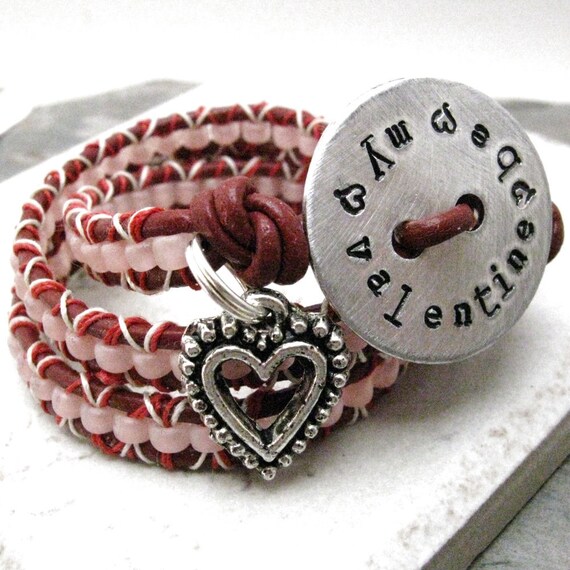
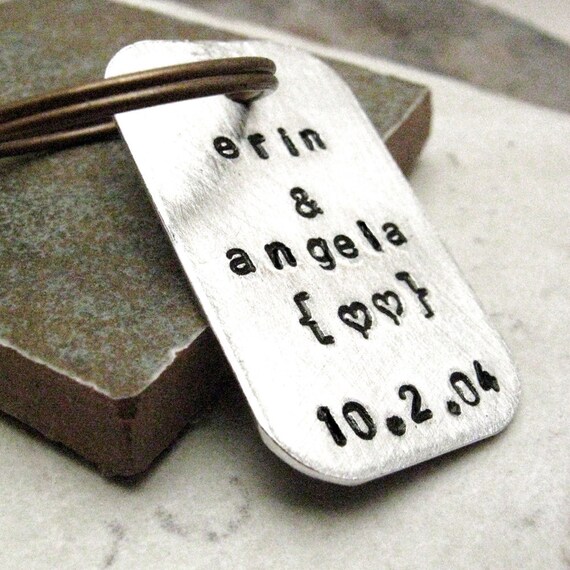
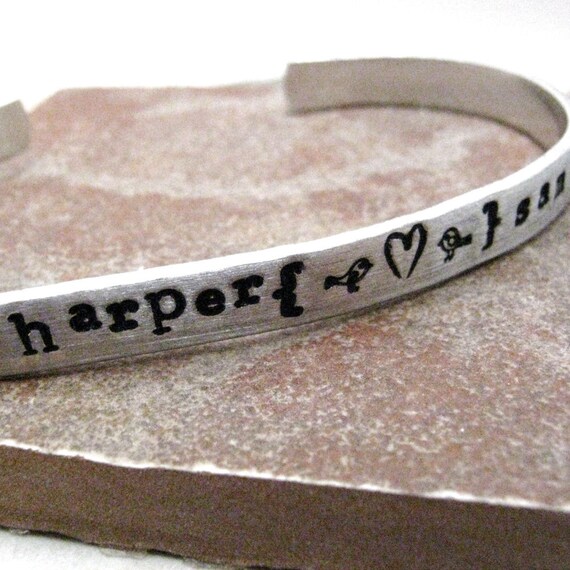
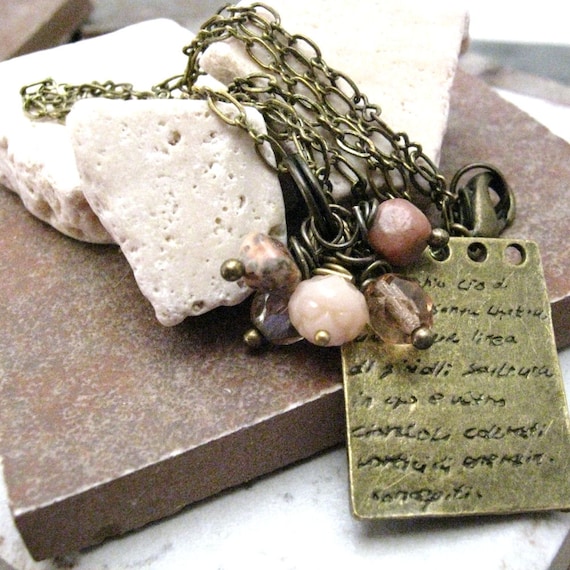
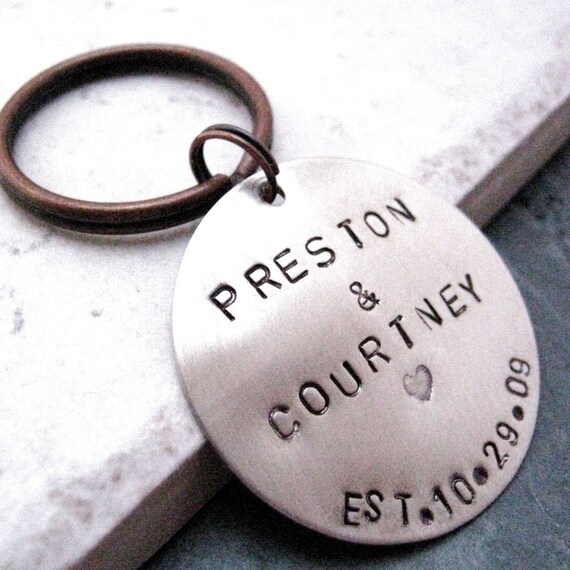
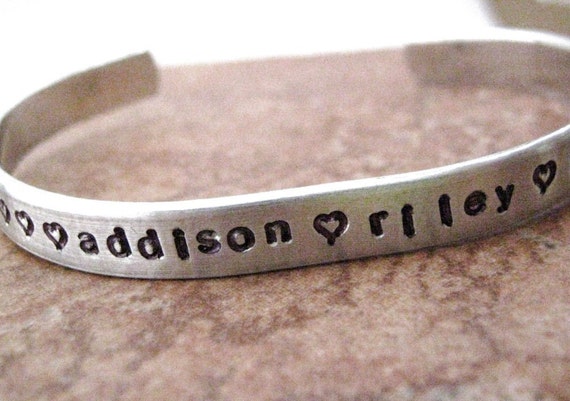
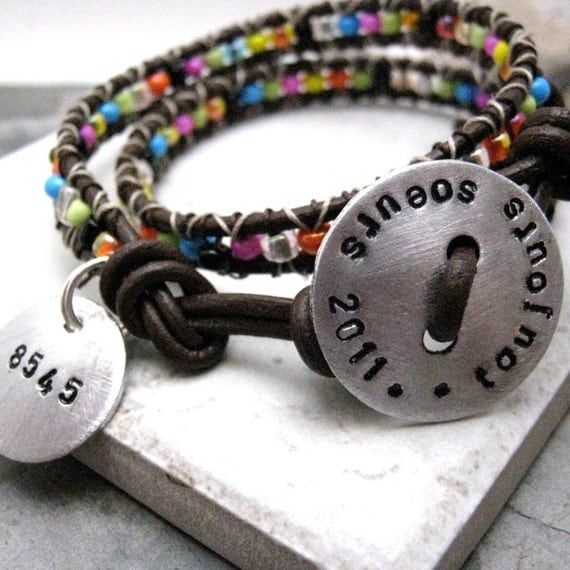
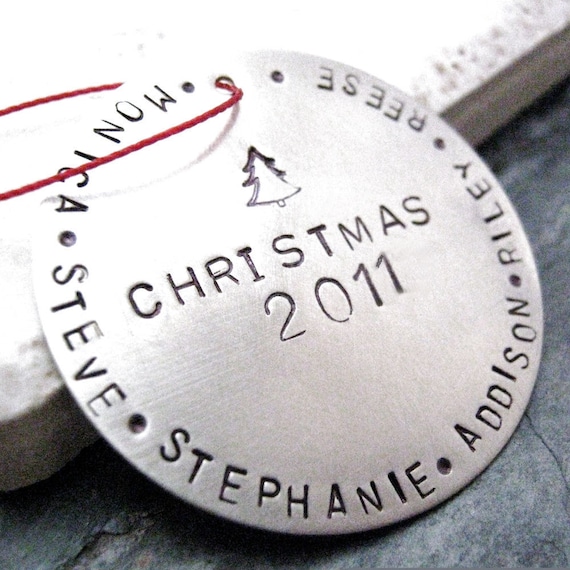
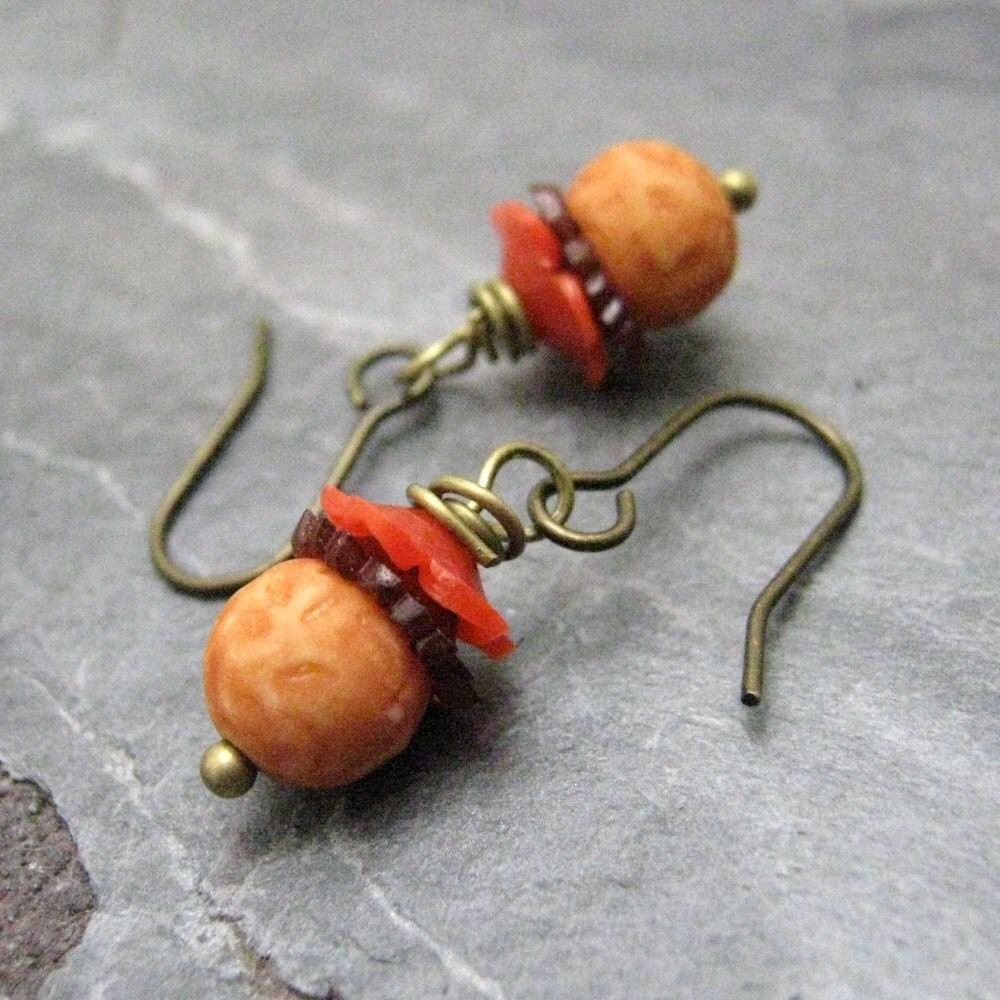
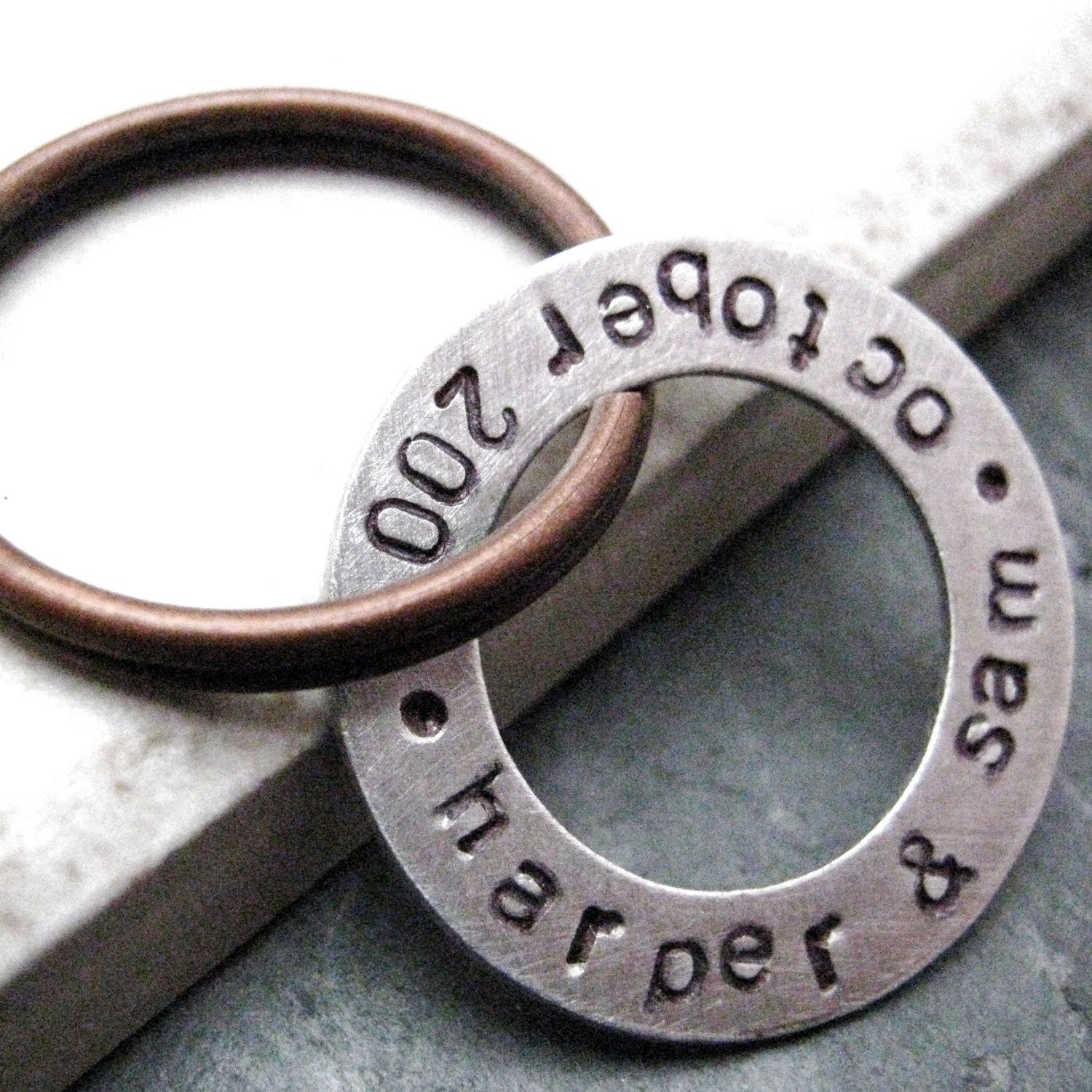
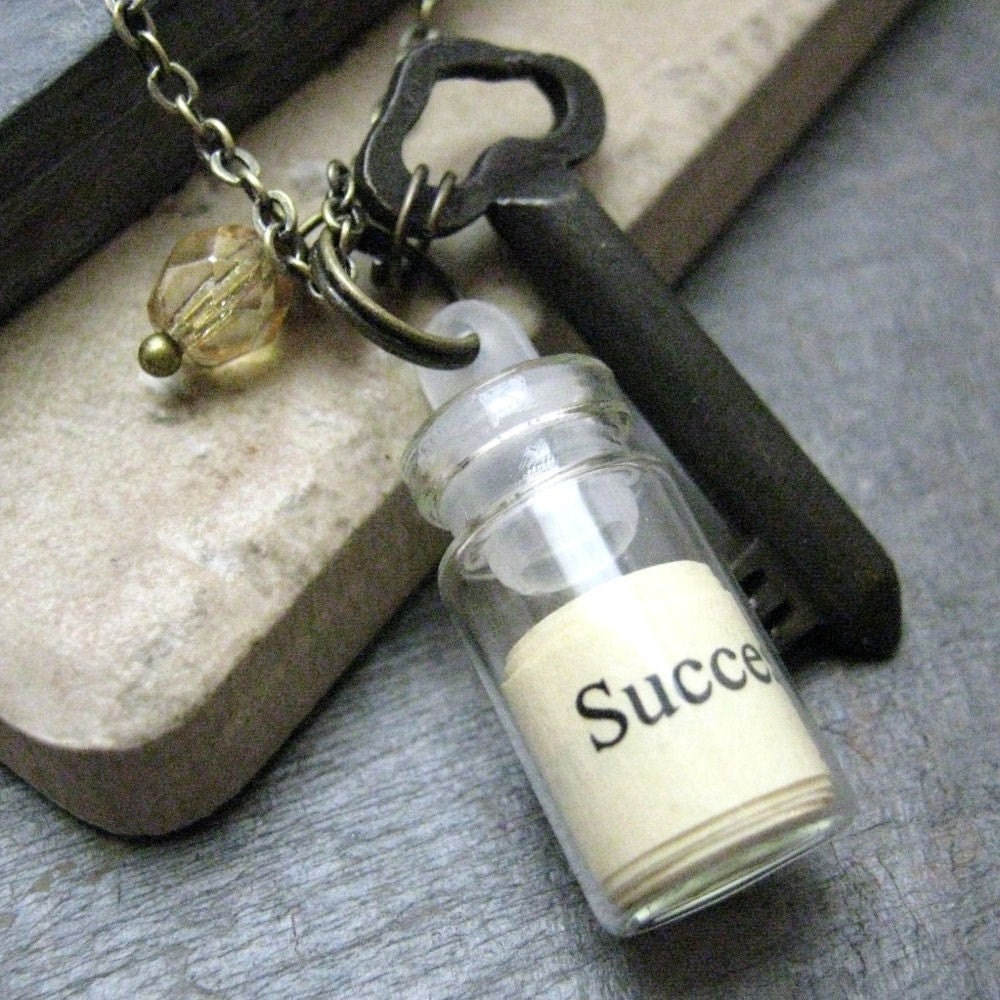
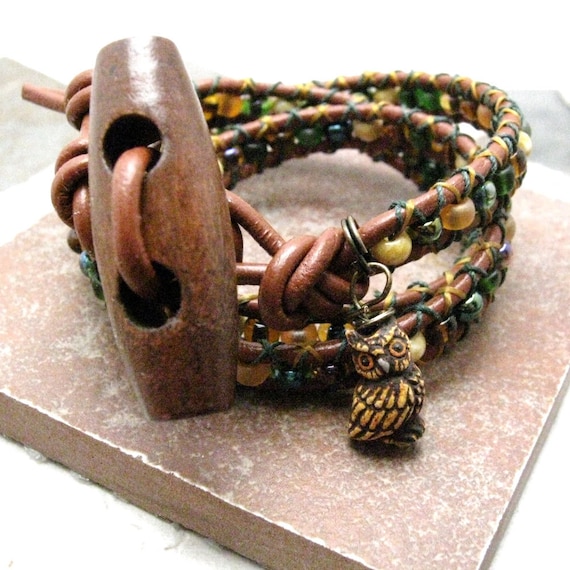
It's about a month away from Valentine's Day and here are some great gift ideas from my shop.  Some are personalized and some aren't.  Find what you need for him or her!

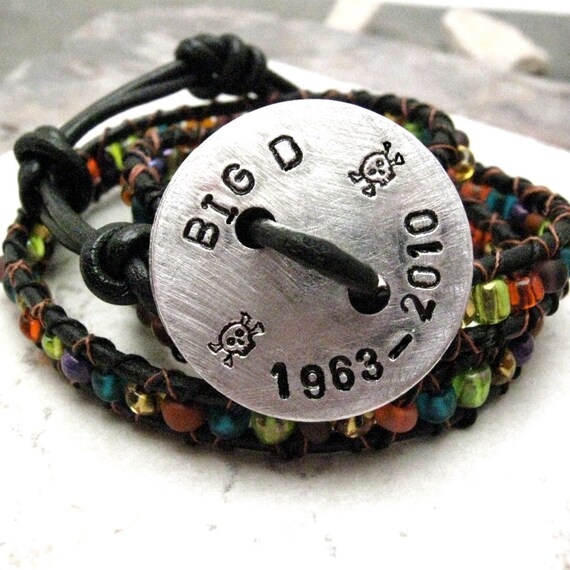
(a best seller)


(customize the button with your own info!)

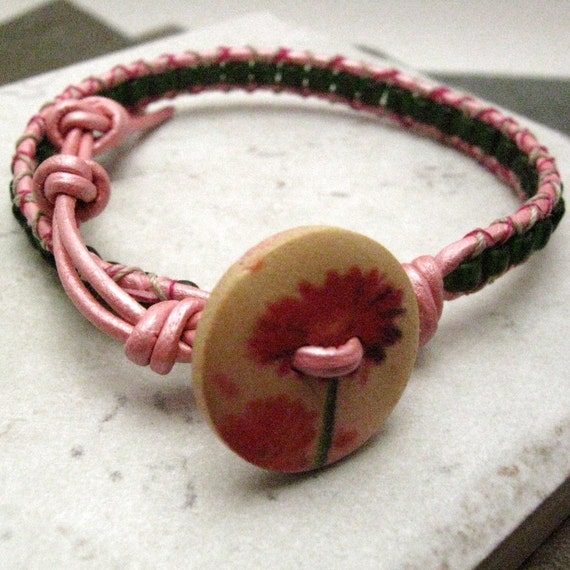
(also available in brown leather)


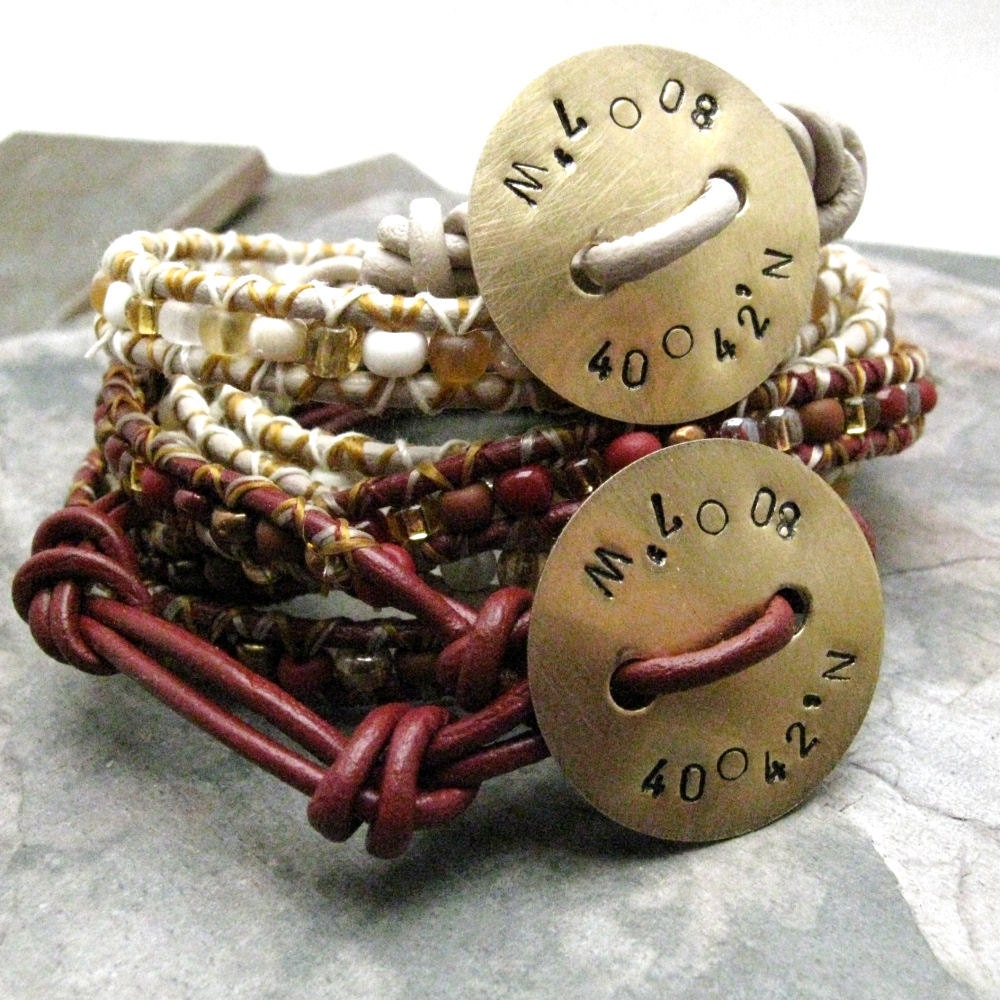
(great for him & her or her & her)


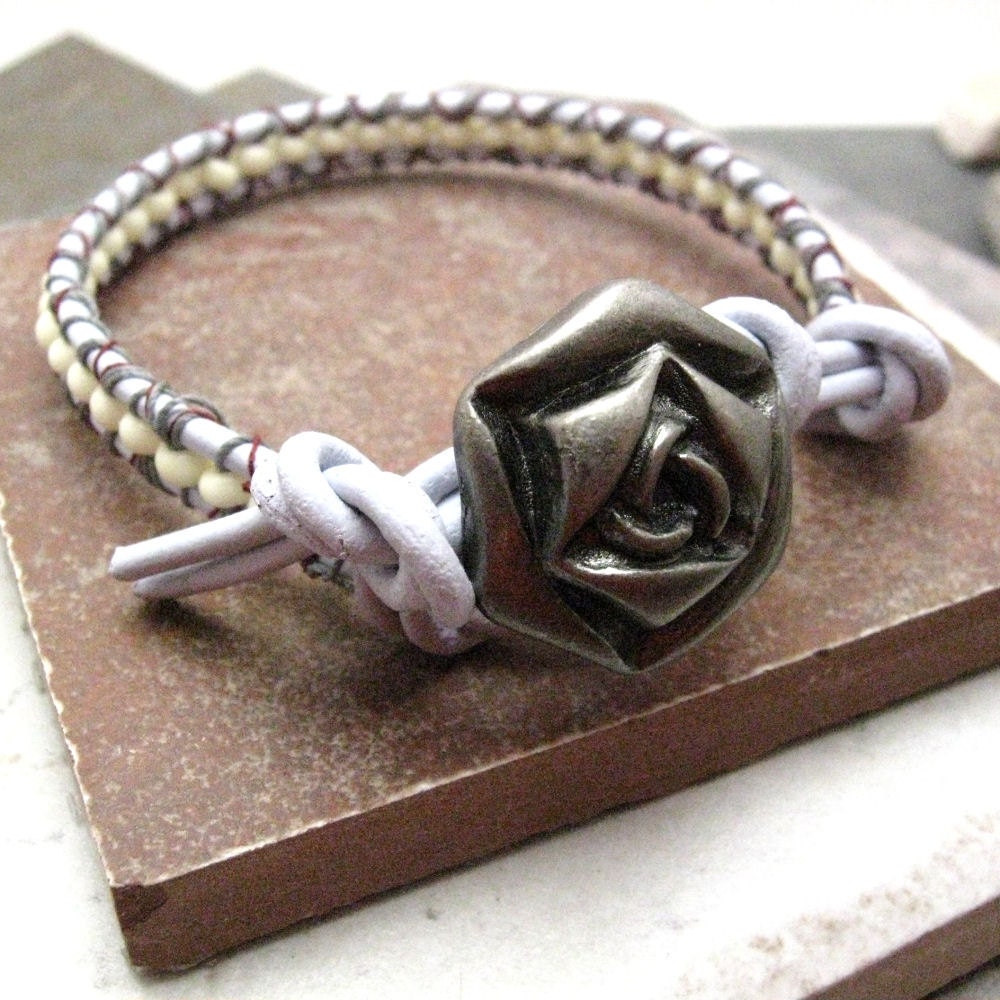
(Ready to ship as is or customize it with your own quote/symbols)

(also available in copper and antique brass)


(completely customizable, even on the back!)


Please visit my shop to see hundreds of other ideas!  This is just a small sampling. The only limits are your imagination combined with mine, and, quite frankly, that can be dangerous. LOL.

~Lori


reade more... Résuméabuiyad

Agate Facts, Information and Description

Agate is a term applied not to a distinct mineral species, but to an aggregate of various forms of silica. It usually forms in concentric layers in a wide variety of colors and textures. The most common colors are white to grey, light blue, orange to red and black. Agate is often found as a round nodule, with concentric bands like the rings of a tree trunk. The first archeological findings of different implements made of agate date back to 8000 years ago.

There exist various types of agate. A Mexican agate, showing only a single eye, has received the name of "Cyclops agate." Dendrite agates have beautiful fern like patterns on them formed due to the presence of manganese and iron ions. Other types of included matter deposited during agate-building include sagenitic growths (radial mineral crystals) and chunks of entrapped detritus (such as sand, ash, or mud). Occasionally agate fills a void left by decomposed vegetative material such as a tree limb or root and is called limb cast agate due to its appearance. Turritella agate is formed from fossil Turritella shells silicified in a chalcedony base. Similarly, coral, petrified wood and other organic remains or porous rocks can also become agatized. Agatized coral is often referred to as Petoskey agate or stone.

Certain stones, when examined in thin sections by transmitted light, show a diffraction spectrum due, hence they are termed rainbow agates. Often agate coexists with layers or masses of opal, jasper or crystalline quartz due to ambient variations during the formation process.

Other forms of agate include carnelian agate (usually exhibiting reddish hues), Botswana agate, blue lace agate, plume agate (such as Carey, Graveyard Point, Sage, St. Johns, Teeter Ranch and others), tube agate (with visible flow channels), fortification agate (which exhibit little or no layered structure), fire agate (which seems glow internally like an opal) and Mexican crazy-lace agate (which exhibits an often brightly colored, complex banded pattern).

Agate was highly valued as a talisman or amulet in ancient times. It was said to quench thirst and protect from fevers. Persian magicians used agate to divert storms. Agate bowls were popular in the Byzantine Empire. Collecting agate bowls became common among European royalty during the Renaissance and many museums in Europe, including the Louvre, have spectacular examples.

History: The mining of agate in the Nahe River valley in Germany which was already documented in 1497 gave rise to the cutting center of Idar-Oberstein, Germany. Originally, the river was used to power the grinding wheels. When the Nahe agate deposit was exhausted in the nineteenth century, Idar cutters started to develop the agate deposits of Brazil, which also sparked exploration and discovery of Brazil's rich deposits of other gemstones.
reade more... Résuméabuiyad

Ruby Jewelry Gemstones

Ruby Jewelry Gemstones Rubies have a hardness of 9.0 on the Mohs scale of mineral hardness. Among the natural gems only moissanite and diamond are harder, with diamond having a Mohs hardness of 10.0 and moissonite falling somewhere in between corundum (ruby) and diamond in hardness. Ruby is α-alumina (the most stable form of Al2O3) in which a small fraction of the aluminum3+ ions are replaced by chromium3+ ions. Each Cr3+ is surrounded octahedrally by six O2- ions. This crystallographic arrangement strongly affects each Cr3+, resulting in light absorption in the yellow-green region of the spectrum and thus in the red color of the gem. When yellow-green light is absorbed by Cr3+, it is re-emitted as red luminescence.

This red emission
adds to the red colour perceived by the subtraction of green and violet light from white light, and adds luster to the gem's appearance. When the optical arrangement is such that the emission is stimulated by 694-nanometer photons reflecting back and forth between two mirrors, the emission grows strongly in intensity. This effect was used by Theodore Maiman in 1960 to make the first successful laser, based on ruby.
All natural rubies have imperfections in them, including color impurities and inclusions of rutile needles known as "silk". Gemologists use these needle inclusions found in natural rub
ies to distinguish them from synthetics, simulants, or substitutes. Usually the rough stone is heated before cutting. Almost all rubies today are treated in some form, with heat treatment being the most common practice. However, rubies that are completely untreated but still of excellent quality command a large premium. Some rubies show a 3-point or 6-point asterism or "star".

These rubies are cut into cabochons
to display the effect properly. Asterisms are best visible with a single-light source, and move across the stone as the light moves or the stone is rotated. Such effects occur when light is reflected off the "silk" (the structurally oriented rutile needle inclusions) in a certain way. This is one example where inclusions increase the value of a gemstone. Furthermore, rubies can show color changes — though this occurs very rarely — as well as chatoyancy or the "cat's eye" effect
This article is about the mineral. For other uses, see Ruby (disambiguation). Ruby Natural ruby crystals from Winza, Tanzania General Category Mineral variety Ch
emical formula aluminium oxide with chromium, Al2O3:Cr Identification Color Red, may be brownish, purplish or pinkish Crystal habit Varies with locality. Terminated tabular hexagonal prisms. Crystal system Trigonal (Hexagonal Scalenohedral) Symbol (−3 2/m) Space Group: R-3c Cleavage No true cleavage Fracture Uneven or conchoidal Mohs scale hardness 9.0 Luster Vitreous Streak white Diaphaneity transparent Specific gravity 4.0 Refractive index nω=1.768 – 1.772 nε=1.760 – 1.763, Birefringence 0.008 Pleochroism Orangey red, purplish red Ultraviolet fluorescence red under longwave Melting point 2044 °C Solubility none Major varieties Sapphire Any color except red Corundum various colors Emery Granular A ruby is a pink to blood-red colored gemstone, a variety of the mineral corundum (aluminium oxide).

The red color is caused mainl
y by the presence of the element chromium. Its name comes from ruber, Latin for red. Other varieties of gem-quality corundum are called sapphires. The ruby is considered one of the four precious stones, together with the sapphire, the emerald, and the diamond.
Prices of rubies are primarily determined by color. The brightest and most valuable "red" called pigeon blood-red, commands a huge premium over other rubies of similar quality. After color follows clarity: similar to diamonds, a clear stone will command a premium, but a ruby without any needle-like rutile inclusions may indicate that the stone has been treated. Cut and carat (weight) are also an important factor in determining the price http://en.wikipedia.org/wiki/Ruby
reade more... Résuméabuiyad

Consistently Inconsistent


 One of the things  I struggle with  every day is my inability to keep a daily routine.  For some reason, I get all judgmental with myself when I can't seem to find a good regime and stick to it.  I've finally come to the conclusion (after 42 years, lol) that I'm thinking about this the wrong way.  Yes, we all function in the paradigm of a 24 hour day, but I think my actual 'day' is about twice that.  In the span of just about every 48 hours, I'll go through my standard phases of being hungry, wanting to get tons of work done, needing a hard core nap, needing some exercise, coveting my alone time and going crazy from lack of a social outlet.  In other words, I think I cycle through my basic physical, mental and emotional needs every 2 days.  Anytime I think that I need to do 'X' every day, it never happens and I end up frustrated with myself rather than realizing that I don't rejuvenate that way.

Hmmm, food for thought...

~Lori


reade more... Résuméabuiyad

If You're A Successful Etsy Seller...

Every day I spend a little time in the Etsy forums just to make sure I don't miss out on some important announcement affecting my business.  One thing that I see over and over again is new folks coming in asking for the key to success on Etsy.  Those threads are always populated with tons of advice from tons of smart sellers, but today, I think I'd like to turn it around a little and talk to the existing sellers vs. the newbies.  I've been thinking about these concepts for awhile, letting them crystallize into things I think you should know...


If you're a successful Etsy seller (and YOU define success in this scenario, not me), the following is most likely true for you:

10.  You're a self-starter.  No one has to tell you to do anything.  In fact, they'd probably die trying.
 9.  You're comfortable around organized chaos.  You probably thrive in it, and when people aren't looking, you probably snort it.
8.  You have a love/hate relationship with packing tape.
7.  You are more curious than the most curious of cats.  If it can be known, you'll learn it. You will do it completely wrong 500 times just to get it right once.
6.  You dove into branding and marketing like it was a hot fudge sundae.  You know how to tweet, plurk, facebook, pin, tumblr, relist, renew, blog... and more importantly, when to stop.
5.  You accept, reject, mourn, adapt and change what you're doing or how you're doing it every 6 mouths.  Psychiatrists marvel at your resilience.
4.  If you go an entire day without a sale, you'll spend the entire night designing a new product for a new shop. If the drought persists into day 2, you're out jonesing for a support group only to come back to a sale in your inbox.
3. You have designated 'areas' in your inside your 'home' for designing your product, making it, photographing it, listing it, storing it, and shipping it, and by 'home,' I mean '1 bedroom studio apartment' and by 'areas,' I mean 'coffee tables.'
2. You learn something new at least once a week.  If you don't, you get an itchy rash.
1. You've figured out the difference between 'successful' and 'busy.'  This was the hardest lesson to learn, and you have the scars to prove it.

*whew*
I feel better now!
~Lori 

reade more... Résuméabuiyad

What do you think of these solution?

.